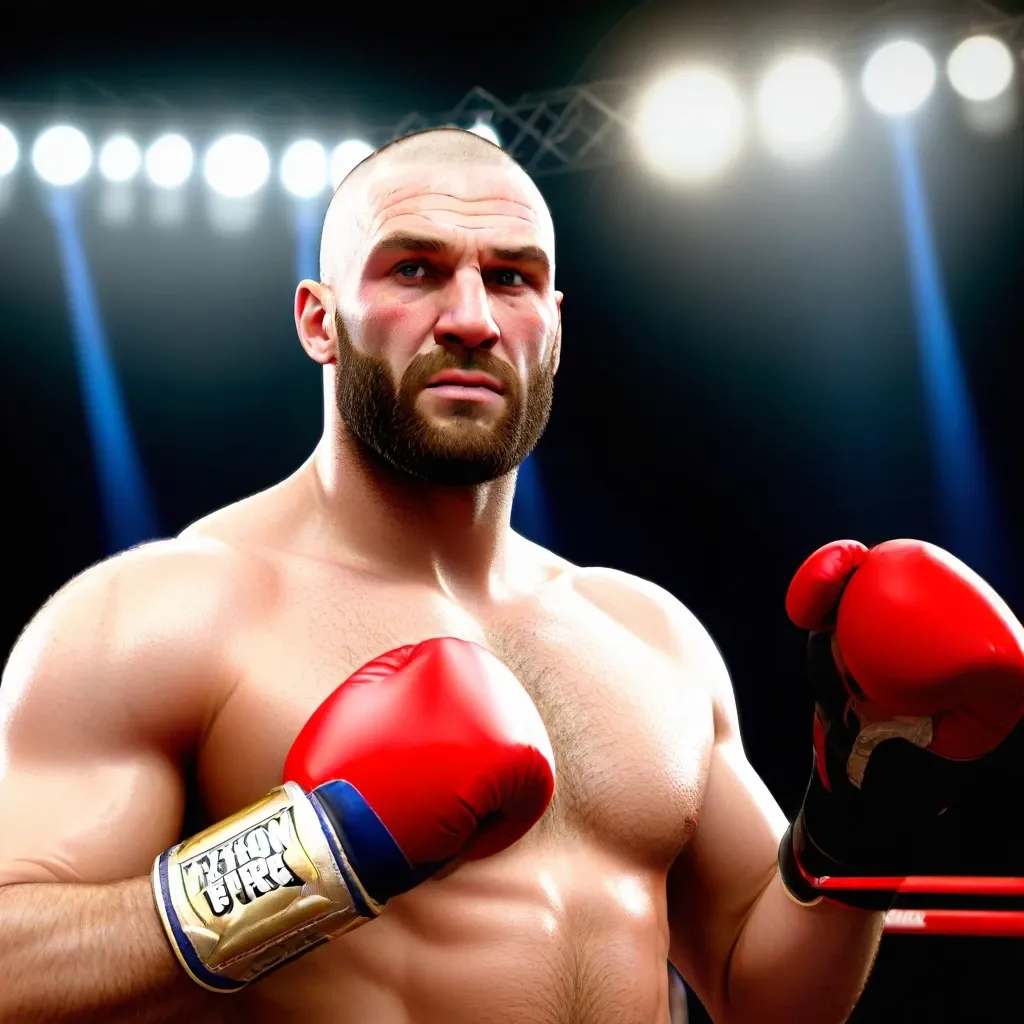
Tyson Fury, more than just a boxer, is a cultural phenomenon inside and outside the ring. Known as the “Gypsy King,” Fury has captivated audiences worldwide with his exceptional boxing skills, flamboyant personality, and mastery of psychological warfare. This heavyweight champion’s journey has been marked by stunning victories, unexpected controversies, and multiple retirements, making him one of the most talked-about figures in the history of boxing.
From his early days as a promising amateur to his ascent to the pinnacle of professional boxing, Fury’s career is a testament to his resilience and adaptability. He’s not just a fighter; he’s a showman, a strategist, and a complex individual who defies easy categorization. This is the story of Tyson Fury, a boxing champion whose impact extends far beyond the squared circle.
The Rise of the Gypsy King: Defining Tyson Fury
Early Life and Boxing Heritage
Tyson Fury’s story is interwoven with the rich tapestry of his family’s boxing heritage. Born into an Irish Traveller family, boxing wasn’t just a sport; it was a birthright. The Fury name echoes through generations of fighters, each contributing to a legacy etched in leather and sweat. His father, John Fury, a former professional boxer himself, instilled in Tyson a relentless spirit and an unwavering dedication to the sweet science. This upbringing, steeped in boxing tradition, forged the foundation for the future “Gypsy King,” setting him on a path destined for the bright lights of the boxing world.
Developing a Unique Style
Fury defied convention with a boxing style as unpredictable as his personality. Unlike many towering heavyweights who rely solely on brute force, Fury blended agility, awkwardness, and surprising speed. His footwork, often described as unorthodox, allowed him to evade punches and create angles, while his defensive prowess frustrated opponents. Add to that a disarming punching power, and you have a fighter who could both outmaneuver and overwhelm. Fury’s style was a constant evolution, adapting and shifting, making him a perpetually difficult puzzle to solve in the ring.
Key Battles and Defining Moments
The Klitschko Upset: A Champion Crowned
The Tyson Fury versus Wladimir Klitschko fight was more than just a boxing match; it was a strategic masterclass. Fury, a significant underdog, entered the ring with a game plan designed to neutralize Klitschko’s jab and disrupt his rhythm. He employed unorthodox movement, constantly switching stances and using feints to keep Klitschko guessing. This strategy frustrated Klitschko, preventing him from landing his powerful right hand. Fury’s constant activity and awkward style threw Klitschko off his game, leading to a unanimous decision victory and the crowning of a new heavyweight champion. This fight marked a pivotal moment, showcasing Fury’s adaptability and boxing IQ on the world stage, and solidifying his place among the heavyweight elite.
The Wilder Trilogy: A Test of Wills
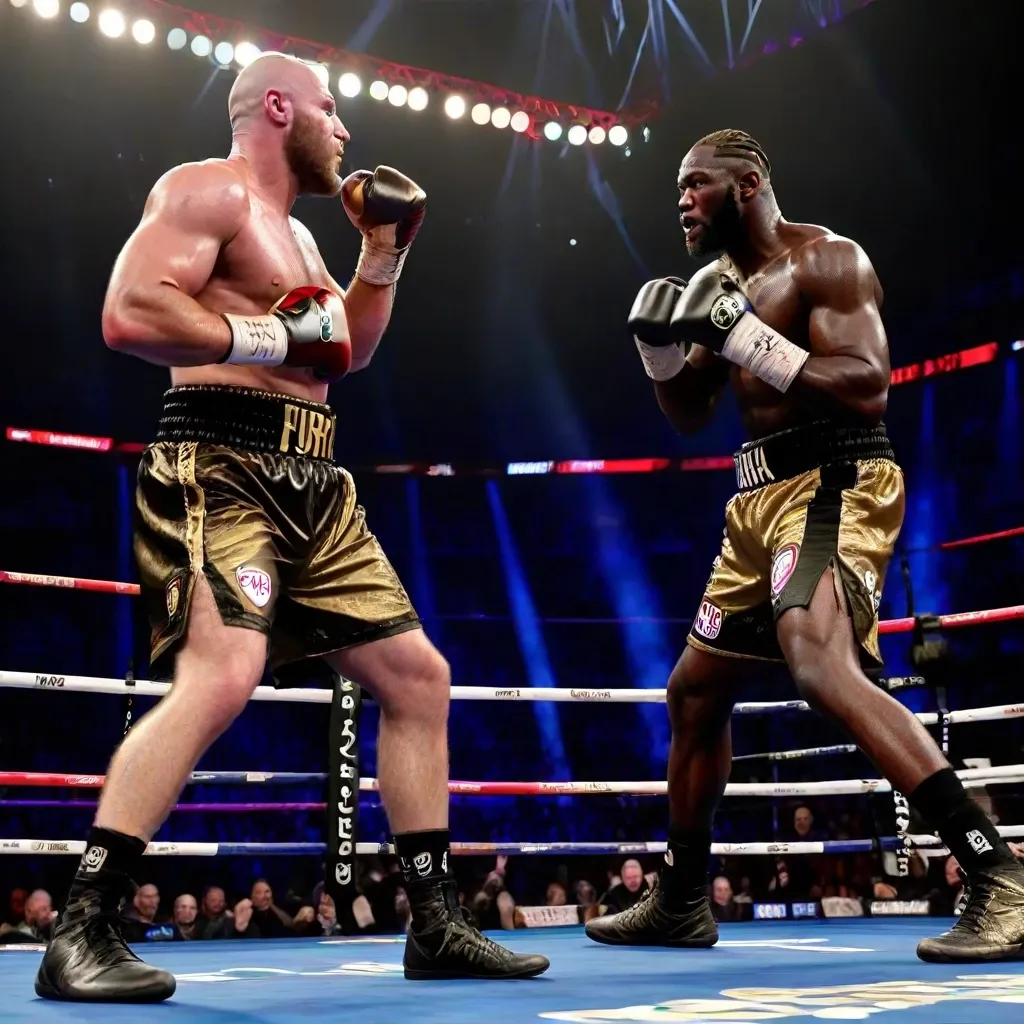
The Fury-Wilder trilogy will forever be etched in boxing history. The first encounter ended in a controversial draw, with Fury seemingly outboxing Wilder for much of the fight, only to be knocked down twice, including a dramatic knockdown in the final round. This fight highlighted Fury’s resilience and ability to recover under pressure. The second fight saw a more dominant performance from Fury, who employed a more aggressive strategy, backing Wilder up and eventually securing a TKO victory. The final fight was a brutal back-and-forth affair, with both fighters hitting the canvas multiple times. Fury ultimately prevailed with a late-round knockout, demonstrating his superior stamina and mental fortitude. This trilogy was a true test of wills, showcasing the incredible heart and determination of both fighters, and solidifying Fury’s status as a modern-day boxing legend.
The Mind Games of Tyson Fury: Psychological Warfare
Tyson Fury isn’t just a physical force in the boxing ring; he’s a master of psychological warfare. His mental strategies are as crucial to his success as his punches, often giving him a significant edge before the first bell even rings. Fury’s approach involves a calculated mix of trash talk, unpredictable behavior, and outright mind games designed to dismantle his opponents’ confidence and focus. These tactics can be viewed as a strategic element of his fighting style, designed to weaken his adversaries mentally, making them more vulnerable physically.
Trash Talk as a Weapon
Fury’s trash talk is far from random banter; it’s a carefully honed weapon. His provocative words are designed to seep into his opponent’s mind, causing doubt and anger. For example, before his rematch with Deontay Wilder, Fury relentlessly questioned Wilder’s mental fortitude, impacting Wilder’s focus and contributing to his subsequent defeat. This demonstrates how Fury’s verbal jabs serve as calculated blows to his opponent’s mental state, giving him a distinct advantage.
Unpredictability and Mental Disruption
Beyond words, Fury’s unpredictable behavior adds another layer to his psychological arsenal. He might change his training routine, alter his fighting stance, or even display unusual antics during press conferences. This unpredictability throws opponents off balance, forcing them to second-guess their strategies and disrupting their mental preparation. By keeping his rivals guessing, Fury maintains control of the psychological landscape, further solidifying his dominance.
Retirements and Returns: The Unpredictable Nature of Fury
Tyson Fury, a name synonymous with both boxing brilliance and bewildering decisions, has kept the sporting world on its toes with a series of retirement announcements followed by equally dramatic comebacks. This ongoing saga begs the question: are these genuine departures from the ring, fueled by a desire for rest and reflection, or calculated maneuvers aimed at maximizing his marketability and keeping opponents guessing?
The motivation behind Fury’s retirements is multifaceted. The brutal nature of boxing takes a toll, both physically and mentally. The desire to spend more time with family, coupled with the financial security he has attained, provides a strong incentive to step away. Yet, the lure of the spotlight, the roar of the crowd, and the challenge of defending his title often prove too strong to resist. Each comeback adds another layer to his legend, further solidifying his place in boxing history, and, of course, padding his bank account.
However, these repeated retirements and returns also carry a risk. They can erode fan trust, with some viewing them as publicity stunts rather than sincere decisions. Opponents might become less intimidated, questioning his dedication. Ultimately, Fury’s legacy will not solely depend on wins and losses, but also on the perception of his commitment to the sport. Whether these retirements are genuine or strategic remains one of boxing’s most intriguing puzzles.
Fury’s Impact on Boxing and Beyond
Tyson Fury’s influence on boxing transcends mere wins and losses; he has reshaped the very landscape of the sport. His unorthodox style, a blend of awkwardness and athleticism, has made him a compelling and unpredictable force in the ring. Fury didn’t just defeat opponents; he captivated audiences with his charisma and showmanship, injecting a much-needed dose of entertainment into the heavyweight division. He understood the power of promotion, using his wit and personality to build anticipation for his fights and draw in fans.
Beyond the squared circle, Fury has become a prominent advocate for mental health awareness. His openness about his own struggles with depression and addiction has resonated with countless individuals, breaking down stigmas and encouraging people to seek help. This vulnerability has transformed him into more than just a boxer; he’s a symbol of resilience and hope for those battling mental health challenges.
Fury’s forays into entertainment beyond boxing, including reality TV appearances and public speaking engagements, have further broadened his reach and solidified his status as a cultural icon. He’s not just a boxer; he’s a personality, a brand, and a voice for a generation. His legacy will be defined not only by his achievements in the ring but also by his impact on mental health awareness and his ability to connect with people on a human level. Tyson Fury is more than a boxing icon; he is a force of nature who has left an indelible mark on both the sport and popular culture.
What’s Next for the Gypsy King?: Future Prospects and Predictions
Tyson Fury, the “Gypsy King,” has always been one to defy expectations, and predicting his next move is never easy. While retirement rumors constantly swirl, it’s more likely we’ll see him back in the ring, chasing further glory and paydays. So, what could be next for the heavyweight superstar?
One potential future fight could be a rematch against Oleksandr Usyk, should Usyk trigger the rematch clause with a burning desire to avenge his defeat, setting the stage for another high-stakes clash. Depending on the outcome and landscape of the heavyweight division, the possibility of Fury facing Anthony Joshua lingers. Despite previous failed negotiations, the allure of a massive all-British showdown remains strong, especially if both fighters continue to win.
Beyond specific opponents, Fury might explore exhibition bouts, following the trend of other boxing legends. These could pit him against MMA fighters or other celebrities, providing entertainment and a hefty purse without the risks of a sanctioned fight. Let’s not forget Fury’s charisma and showmanship. A move into commentary or even acting seems plausible. His larger-than-life personality and boxing expertise make him a natural fit for broadcasting, while his flair for the dramatic could translate well onto the screen.
Ultimately, Tyson Fury’s future remains unwritten. One thing is certain: he will continue to captivate audiences, whether inside or outside the ring. His career has been a rollercoaster, and the next chapter promises to be just as unpredictable and engaging.
Conclusion
In summation, Tyson Fury, the “Gypsy King,” has carved an indelible mark on the world of boxing. From his stunning upset victory over Wladimir Klitschko to his epic trilogy against Deontay Wilder, Fury has consistently defied expectations and captivated audiences with his skill and charisma. His journey has been marked by both triumph and tribulation, yet he has always emerged stronger, solidifying his status as a boxing icon.
Fury’s impact extends beyond his in-ring accomplishments. His openness about his struggles with mental health has resonated with fans worldwide, making him a role model for those facing similar challenges. With his larger-than-life personality and unwavering determination, Tyson Fury has redefined what it means to be a champion, leaving an enduring legacy that will inspire generations of boxers to come. He is not just a fighter; he is a phenomenon, a boxing legend whose story continues to unfold.